How hospitality principles applied to healthcare settings reduce anxiety, support healing outcomes
By: Galen Vassar
In hospitality design, every element — from lighting and layout to the subtle signature scent — is meticulously crafted to enhance the guest experience. This attention to detail isn’t merely about luxury; it’s a strategic approach to creating environments that resonate emotionally with guests. Applying the same level of precision, hospitality design in healthcare can transform patient and family engagement where every interaction becomes intuitive and immersive to reduce anxiety, support healing and enhance the patient experience.
When healthcare spaces feel intuitive and supportive rather than clinical and confusing, patients experience less anxiety and trust deepens. Studies have been conducted on how people naturally interact with spaces, how they seek comfort, navigate uncertainty and either find relief or experience added stress, consciously or subconsciously. Applying these insights in hospital design can create environments that feel seamless, supportive and human, not clinical or confusing.
Design is not a soft investment; it is a strategic driver of financial and operational performance. A better patient experience is linked to higher elective procedure volumes and greater revenue generation in the following fiscal year. Hospitals delivering superior patient experience also see reduced per-patient costs while increasing downstream revenue from ancillary services and follow-up care, according to Health Economics Review, 2024.
Blending tech, hospitality-inspired amenities
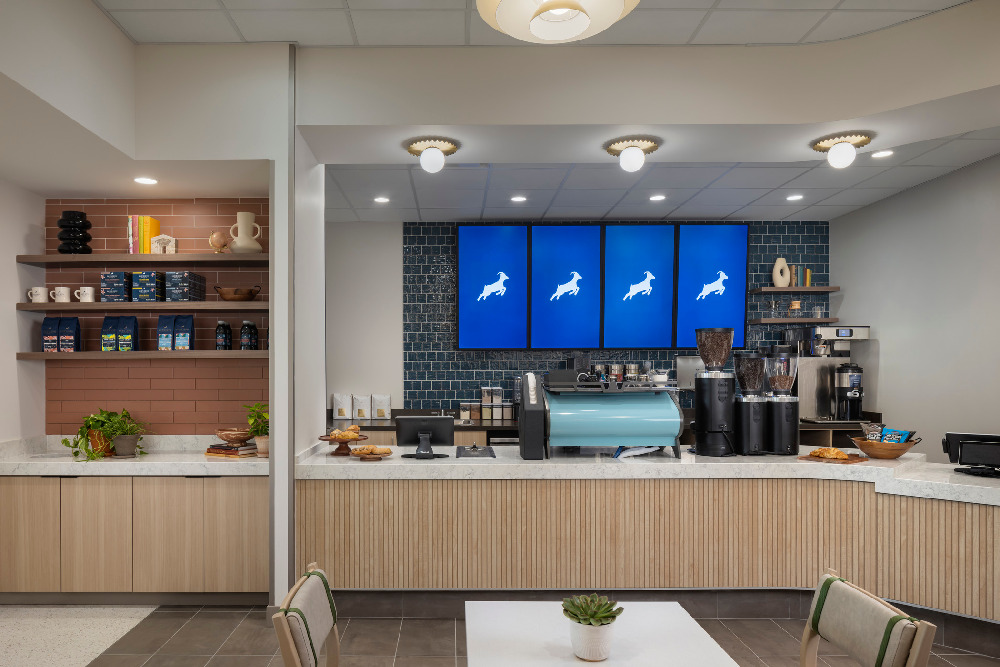
One example that illustrates a bold vision for patient-centered care through the blending of the latest technology and hospitality-inspired amenities that support patients’ individual healing journeys is the new Gary C. Werths Building at Siteman Cancer Center on the Washington University Medical Campus in St. Louis, Missouri.
This new model for cancer center design centralizes exam and specialty care spaces for an efficient patient experience, bringing together clinical services, including infusion therapy, clinical trials and diagnostic imaging, all under one roof to foster collaboration among multidisciplinary care teams.
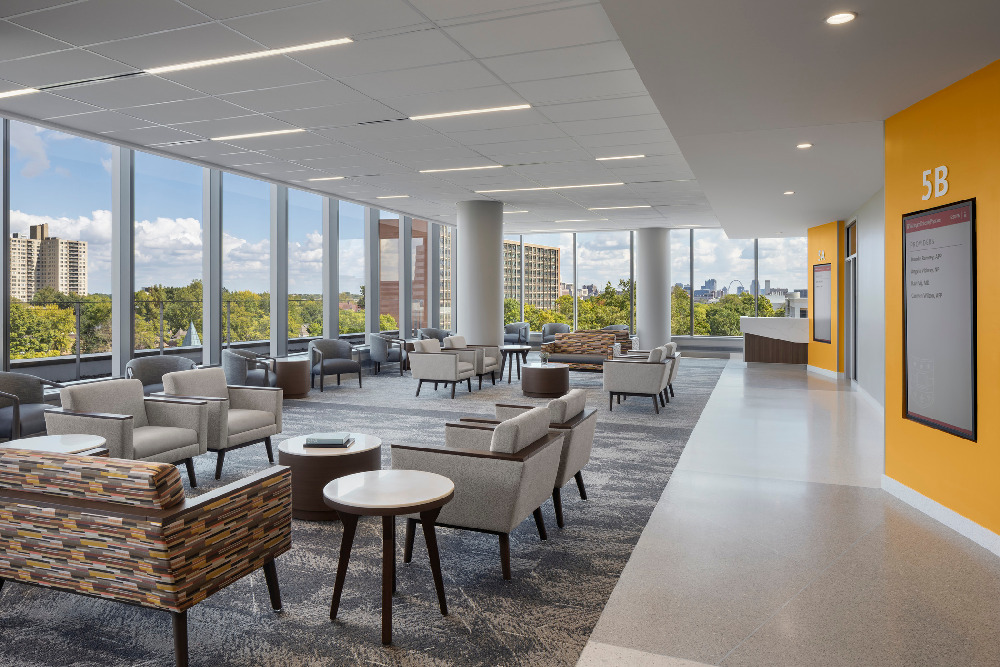
Patient comfort and convenience are a focal point of the facility’s interior design, which includes 101 exam rooms and 88 private infusion rooms. Inspired by elements of hospitality design, the spaces feel nurturing and comfortable, allowing patients and their families to experience the healing power of nature through natural daylighting, warm wood tones and upgraded finishes and lighting, and soft ceiling elements. Nourishment stations, electric fireplaces, cozy seating and tables for playing games and crafting while undergoing treatment are also included.
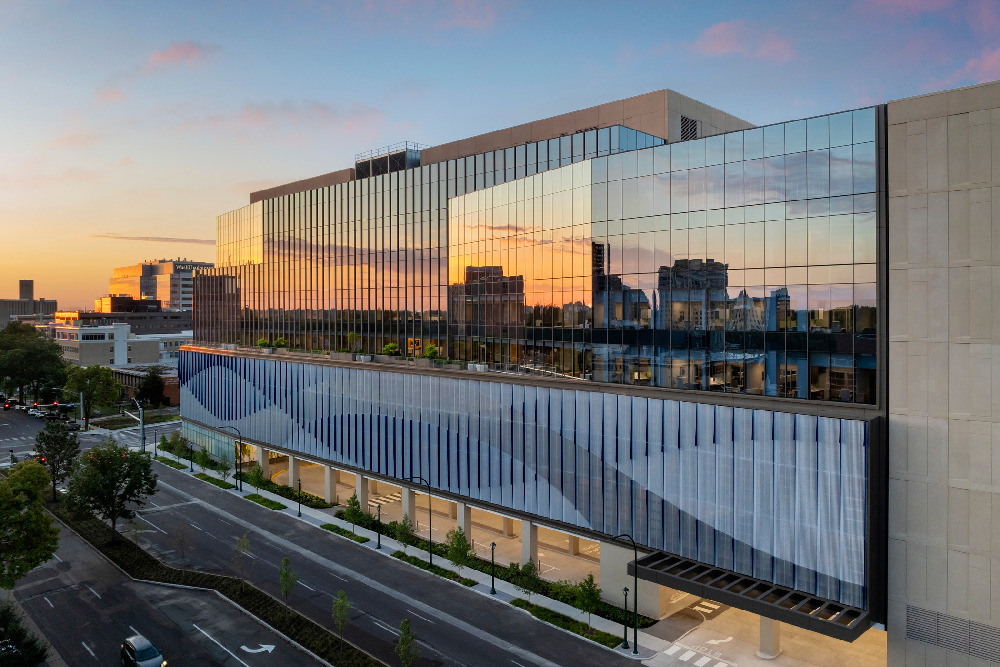
Creating an intuitive and welcoming arrival sequence was also an important element of the center’s innovative design. The nine-story building incorporates three stories of parking integrated into the facility. Patients and visitors arriving for appointments can drive to a drop-off vestibule at the first-floor entrance, with parking available on floors two through four. Elevators provide access to the building’s clinical spaces on the first, fifth, sixth and eighth floors. Visitors can also take a pedestrian walkway that connects the cancer center’s fourth floor to the rest of the Washington University Medical Campus.
Today, healthcare brands are judged as much by the experience they deliver as by their clinical outcomes. Consider experiential design as transformational, not decorative. In hospitality, success is measured by how well spaces serve human needs at every moment. In healthcare, the stakes are even higher. Intentional, human-centered environments aren’t a luxury; they are how you differentiate, build loyalty and lead in the industry.
Translating hospitality principles into operational outcomes
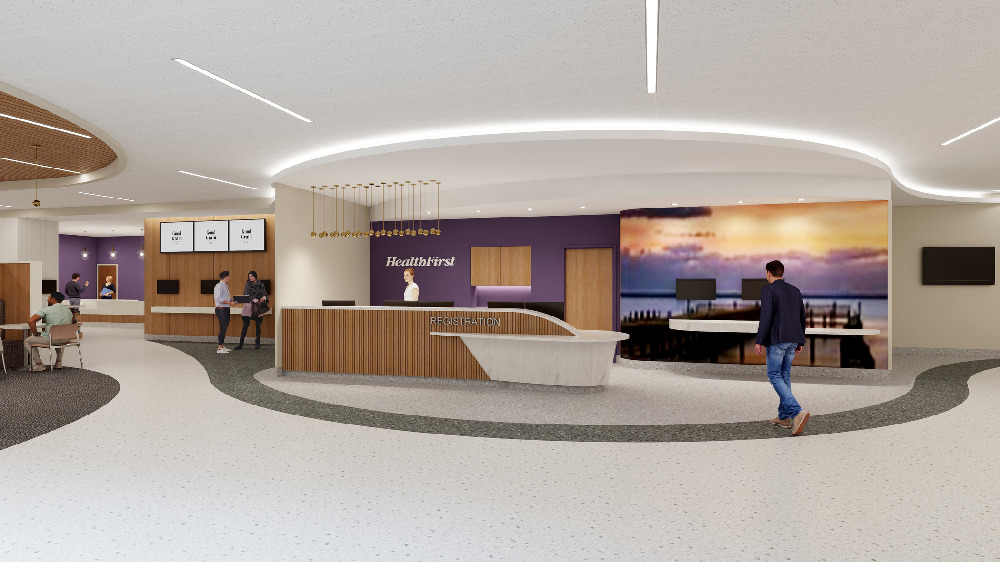
An example of translating hospitality principles into operational outcomes is Health First’s Cape Canaveral, a replacement hospital under construction in Merritt Island, Florida, which was designed with a focus on the human experience first, then operational convenience. The $410-million Cape Canaveral replacement hospital campus, which includes a 120-bed hospital and 92,000-square-foot medical office building, is designed around real human behaviors, not institutional assumptions. Evidence-based insights into stress reduction, wayfinding and environmental psychology are applied at every level of the campus’ design.
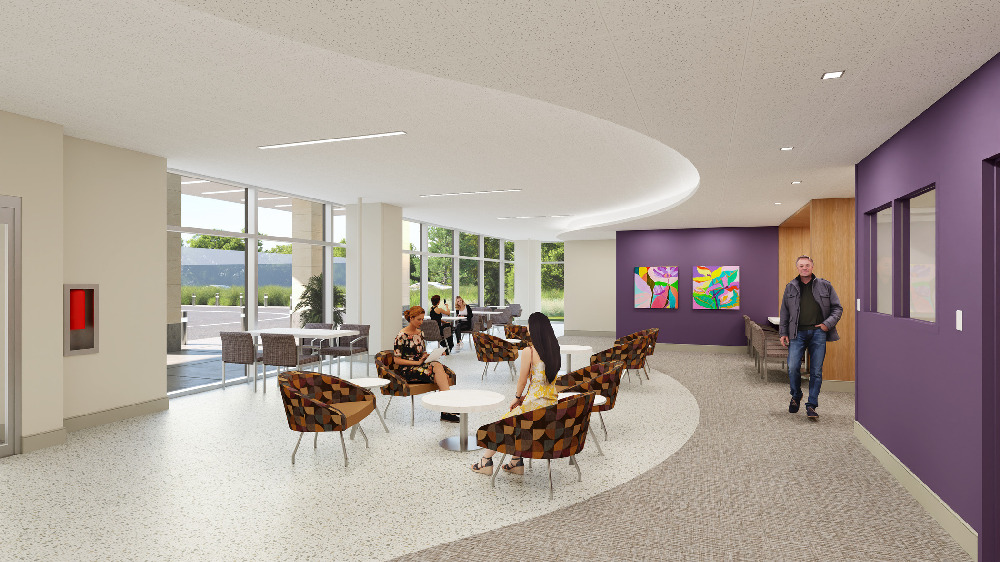
Hospitality principles incorporated into the design include:
- Personalized check-ins, adaptive environments, intuitive wayfinding — these reduce patient stress, strengthen staff efficiency and improve system performance
- Flexible spaces accommodate evolving care models, from telehealth integration to dynamic family zones
- Wellness-centered staff environments like decompression areas, daylight access and ergonomic planning are critical to retention and workforce resilience
- Biophilic design strategies measurably enhance cognitive function, emotional well-being and recovery trajectories
- Smart material selections and operationally informed layouts extend asset life and reduce long-term maintenance demands.
Addressing, distracting children’s anxiety
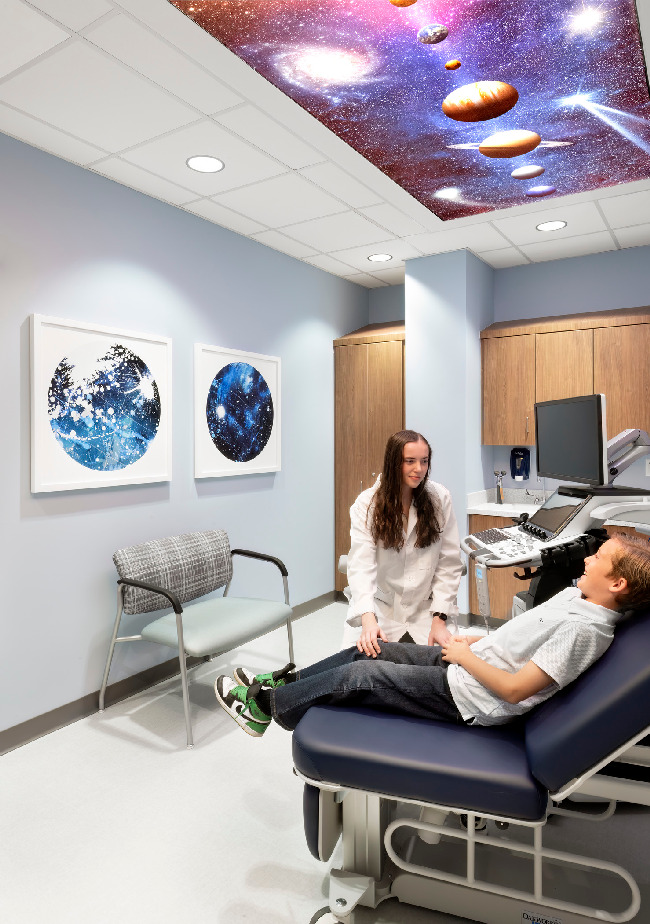
Finally, the recently completed $23-million Springfield Clinic pediatric center in Springfield, Illinois provides the perfect example of integrating several hospitality elements to directly address and distract from children’s anxiety — starting from the moment they pull into the parking lot.
Those elements of distraction start when they arrive on site with strategically placed walking paths for safety that have these moments of discovery embedded with footprints and leaves, and exterior sculptures even before they get into the interior.
Other calming distractions within the design include large fish tanks, a slide that goes from the second floor to the first and a significant amount of artwork throughout the spaces, which was carefully selected to tie into the color story and used as a means of wayfinding.
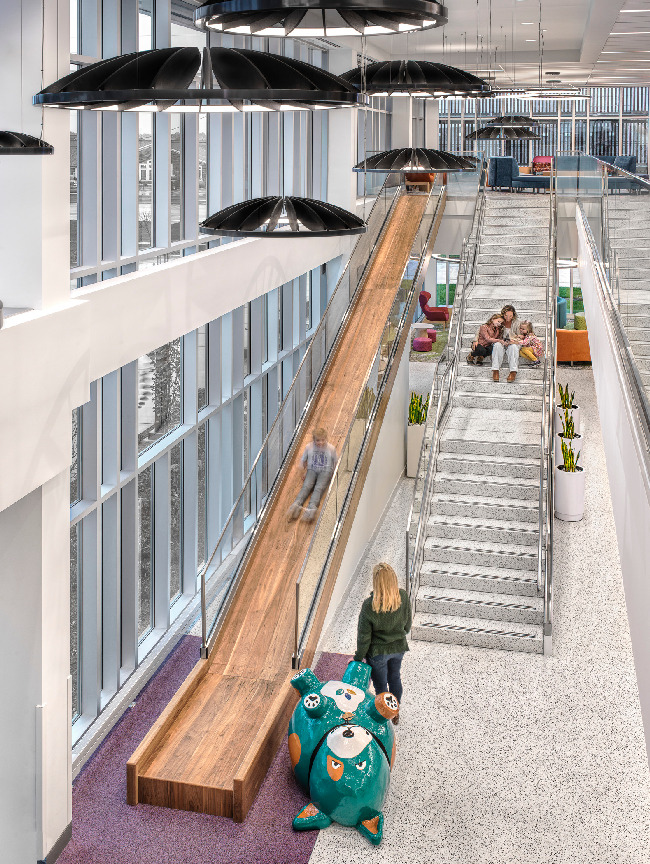
Each clinic corridor is identified by a unique color, thoughtfully applied so as to not be overwhelming when entering the space. More neutral fixed elements are brightened with pops of color in the artwork, furniture and accents. The design concept also had to support Springfield Clinic’s brand, so the interior design team worked closely with the clinic’s marketing and brand experience team to ensure proper execution.
Whether designing for a pediatric clinic, cancer center or hospital, it is important to remember that incorporating hospitality design in healthcare is not about luxury; it’s about operationalizing empathy, strengthening competitive advantage and ensuring environments perform at the highest level today, and into the future.
Keeping the patient experience as the guiding principle for all design decisions and solutions and knowing the profound impact the completed facility will have on a patient’s overall emotional well-being and experience is design’s best medicine.
Galen Vassar, IIDA, NCIDQ, is Lawrence Group’s senior interior designer.