Hitting opening day with proactive coordination
By: Daniel T. Mullins
Healthcare organizations are under enormous pressure to modernize facilities and expand capacity, while staying competitive in a rapidly shifting marketplace. Many are grappling with aging buildings riddled with deferred maintenance, while others face new competitors moving into their region. At the same time, pandemic-era delays have pushed hospital capital planning off course, leaving leaders desperate to catch up.
In these conditions, the schedule is no longer just a project management concern — it’s a business imperative. Opening day directly affects market share, revenue and patient loyalty. Yet, traditional design-first approaches too often miss the realities of construction, procurement and activation. Critical path items like steel procurement, AHJ review periods or hospital activation get discovered late, forcing costly compressions or missed deadlines.
An alternative is emerging — full project pull planning. By anchoring the plan to a fixed opening day and rigorously working backward with all stakeholders, healthcare systems can bring clarity to the critical path, prevent surprises and achieve both speed and certainty. More than a scheduling tool, pull planning has become a cultural shift — replacing silos with shared accountability and reactive firefighting with proactive coordination.
To understand how this approach works in practice, the first step is recognizing that every decision must be tied back to the fixed opening day.
Planning backward from opening day
The defining feature of pull planning is its starting point. Instead of asking, “When can design be finished?,” teams begin by fixing the hospital’s targeted opening day and then mapping everything required to reach it. That includes owner activation, construction activities, AHJ approvals, long lead items and design durations.
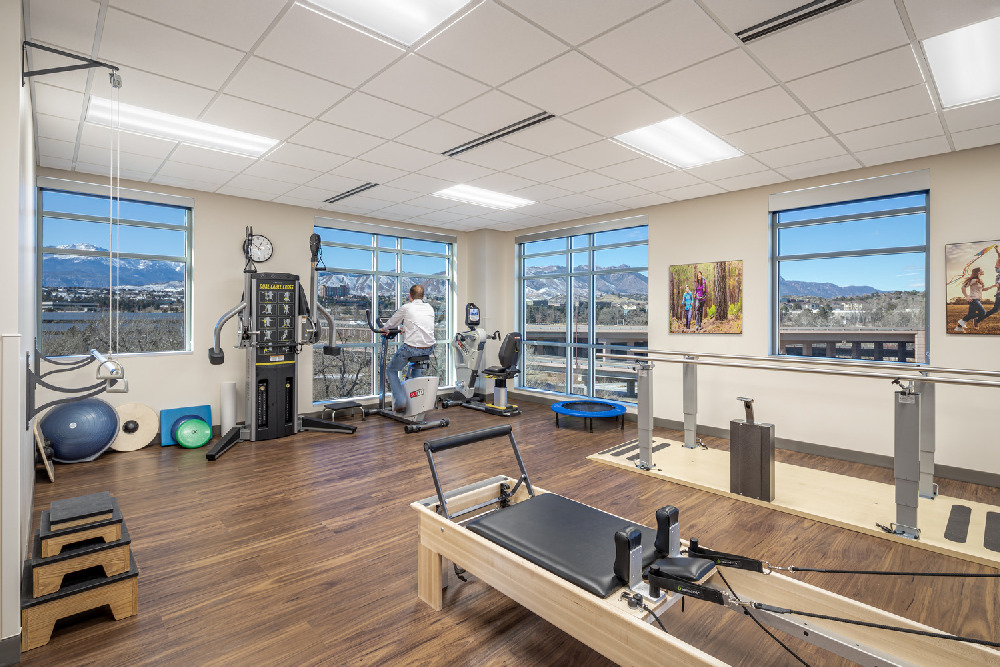
On the UCHealth Anschutz Inpatient Pavilion 3, located in Aurora, Colorado, this exercise revealed that steel procurement needed to be initiated immediately after the issuance of schematic design — a full phase earlier than the traditional schedule anticipated. Without that acceleration, the hospital would have missed its opening date. Similar exercises set firm dates for early procurement packages, early permit packages and construction start dates. By pulling back from these immovable markers, design teams could recalibrate their deliverables, issue early packages and build a schedule that reflected the true critical path.
The lesson is simple: ask the question early. A request made 12 months out often gets a “yes.” The same request made 12 days out is almost always impossible. Pull planning ensures those questions are asked early enough for the team to react and execute. Yet even the most carefully mapped plan may collapse without a structure that ensures each team member follows through on their commitments.
Creating accountability without blame
Even the most comprehensive plan will falter without accountability. Yet “accountability” can be a loaded word, often perceived as punitive. The strength of pull planning lies in creating a structure that makes accountability natural, even welcomed.
Weekly status sessions are the mechanism. Every week, all stakeholders — from owners to contractors to design consultants — sit down to review commitments. Each member confirms whether upcoming tasks are on track, flags potential risks and works with the group to resolve issues before they cascade.
The process is rarely glamorous, but it is indispensable. Over time, teams begin to rely on the discipline; it eliminates finger-pointing, prevents surprises and builds trust. The biggest surprise, according to practitioners, is not how painful the sessions are — but how effective and efficient they become once ingrained in project culture.
Accountability within the team is critical, but the plan cannot succeed unless ownership approvals are timed to match the accelerated pace.
Aligning owner approvals with acceleration
Another common misstep lies in owner approvals. Hospital boards and finance committees operate on their own calendars, often disconnected from project schedules. Traditional gatekeeping processes do not account for early procurement demands, such as releasing millions of dollars of funds to secure an early steel mill order months before design is complete.
When these cycles aren’t aligned, projects stall — not because of technical hurdles, but because project success requires a meticulous and complete integration of design, construction and owner activities.
Full project pull planning addresses this by embedding owner approvals directly into the plan. Board meeting schedules, decision gates and funding thresholds are mapped alongside design and construction milestones. This ensures owners know in advance when they will be asked to make at-risk decisions. Contingencies are carried to absorb inevitable design changes, and board members are prepared for accelerated approvals.
The result is not only faster schedules, but smoother governance — reducing the frustration of last-minute surprises and ensuring owners remain active partners in achieving speed-to-market.
Once approvals are aligned, the next challenge is recognizing that engaging critical trades early requires an upfront investment that some owners hesitate to make.
The payoff of upfront investments
For pull planning to succeed, contractors and key subcontractors must be engaged earlier than usual. Steel fabricators, envelope contractors and MEP trades bring knowledge critical to defining realistic schedules. Yet this early involvement often carries a cost premium and requires shifting some of the construction services budget into the preconstruction phase.
The evidence, however, is clear: early preconstruction investment pays off. Involving trades early within the design process will drive Lean design and Lean construction activities and help projects avoid late rework, idle packages and uncoordinated procurement. Owners who invest in these services not only accelerate delivery, but often remove the project risk associated with schedule delay, late sub-contractor bidding and escalation. In short, engaging critical trades early controls risk and reduces project cost. When owners commit to early engagement, they also create fertile ground for innovation — small but powerful process improvements that drive efficiency.
Innovation as everyday practice
Pull planning itself can be seen as a form of “micro-innovation” — a disciplined improvement to standard practice that yields outsized results. But the process also creates space for other innovations to flourish.
For the Intermountain Health Lutheran Hospital project in Wheat Ridge, Colorado, the team partnered early with a curtainwall supplier to integrate metal panel attachments directly into the curtainwall system. This eliminated the need for small bands of cold-formed framing to be installed between long spans of curtainwall. This resulted in a reduction of miscellaneous metals for wall support, reduced curtainwall installation time and the elimination of trade-to-trade coordination, all without sacrificing design intent.
This example underscores a key truth; innovation is not about grand gestures, but about incremental refinements that remove waste and improve efficiency. Finding such solutions requires the right team — trades willing to collaborate, owners willing to support early integrated project design and designers willing to adapt and leverage early contractor and subcontractor feedback to provide best value. When those conditions align, innovation becomes part of the delivery strategy, saving both time and money.
By starting at opening day, planning backward and reinforcing commitments with weekly discipline, healthcare organizations can consistently deliver on time and on budget. Pairing this process with a commitment to innovation and the right team creates a framework that saves time, reduces cost and strengthens relationships. In today’s healthcare landscape, that is more than a scheduling strategy — it is a competitive advantage.
Daniel T. Mullins, P.E., SE, is principal and group manager, structural engineering, with Martin/Martin Consulting Engineers. He can be reached at dmullins@martinmartin.com.
Photo credit Intermountain Health is Dan Schwalm. Photo credit UCHealth Anschutz Inpatient Pavilion 3 is Caleb Tkach.